
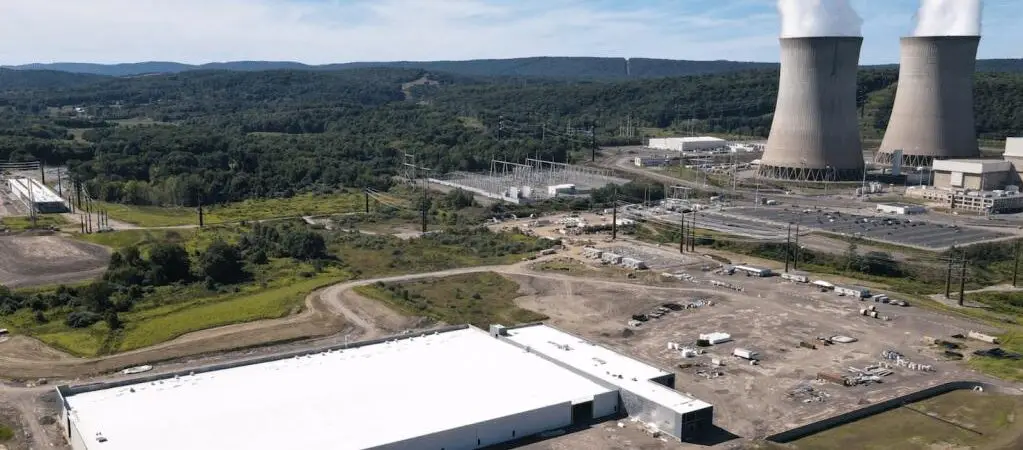
Pennsylvania has imposed a new set of requirements on data center development, linking state permitting to power-cost protections, environmental safeguards, public transparency and local approval.
Governor Josh Shapiro signed Executive Order 2026-05 on August 18. The order takes effect immediately and applies to new data center permit applications submitted to the Pennsylvania Department of Environmental Protection.
The move comes as artificial intelligence and hyperscale infrastructure drive a sharp increase in projected electricity consumption. PJM Interconnection’s 2026 long-term load forecast projects that the regional summer peak will rise by about 85,000 megawatts over 15 years, to more than 241,000 MW. The grid operator said the growth rate is higher than anything seen in recent decades.
Permits Now Depend On Binding Commitments
Under the order, developers seeking state permits must make legally enforceable commitments to meet Pennsylvania’s Responsible Infrastructure Development, or GRID, requirements. Projects must also secure all required local approvals before DEP can issue permits.
Developers that agree to the standards must attend a pre-application meeting and execute a consent order containing penalties for noncompliance. Those that decline will face a more sequential process: DEP will not begin reviewing applications until local approvals are secured and the complete construction-permit package has been found compliant.
All AI data center proposals have also been removed from the state’s Permit Fast Track Program. Pennsylvania will no longer consider such projects for expedited review, according to the governor’s announcement.
The GRID requirements state that developers must pay the full cost of new generation, transmission, distribution and other infrastructure required by their projects. The policy is intended to prevent those expenses from being shifted to households and other businesses.
The governor’s special counsel for energy affordability will advocate before the Pennsylvania Public Utility Commission for rules that charge eligible data centers for PJM reliability-backstop auction costs and utility interconnection expenses. The order also calls for protocols that would curtail data centers before other customers during grid emergencies unless a facility has secured enough incremental capacity for its entire demand.
These provisions put energy strategy at the center of project feasibility. Developers may need to consider dedicated generation, storage and data center microgrids much earlier in the planning process.
Water, Reporting And Community Engagement
Projects must meet strict water-conservation standards and report detailed energy and water information to DEP. Required disclosures include annual electricity and natural-gas consumption, peak hourly energy use, annual water use, maximum daily water demand and measures taken to limit air or water pollution.
The order also prohibits state agencies under the governor’s authority from using nondisclosure agreements for data center projects. Developers must provide early notice, hold public meetings and consult affected communities while major design decisions can still be influenced. They are also expected to hire and train local workers and negotiate meaningful community-benefit agreements.
DEP says it is aware of more than 100 proposals identified through public databases. Fifty-eight projects have engaged with the agency, 15 have applied for at least one DEP permit and only five have received all permits required for their first phase.
A Higher Bar For Pennsylvania Projects
The executive action does not prohibit data center construction, but it raises the threshold for projects seeking permits and tax benefits. The Department of Revenue will update the state’s data center equipment tax-exemption guidelines so applicants must comply with the GRID requirements.
Reuters reported that Pennsylvania has become attractive to developers because of its natural-gas resources, existing power infrastructure and proximity to major East Coast population centers. Under the new framework, access to those advantages will increasingly depend on credible power plans, environmental performance and demonstrable community support.
August 18, 2026 By: Joshua Anto